




Quality incontinence products for women are definitely needed as this can become a common condition as women age. Holistic ensures new technologies are being developed, so we are continually improving our wide array of absorbent products that can provide extra protection when needed.
Many technological advancements have been made to address our customers’ personal needs and ensure our products feel like regular underwear, especially ones designed for low saturation. We continually make the very best efforts to ensure pads for women meet our customer’s standards and also the standards of your healthcare professional.
Many products are available that will make you feel more comfortable when you suffer from bladder incontinence or bowel issues. Some devices can be used to support the bladder neck or place pressure on your urethra to help reduce stress incontinence. Women are more likely to choose pants or pads for incontinence. There are many sizes, types and absorbencies available. All are discreet.
This article will cover both pads/pants and devices to help you better understand your options.

Bladder Incontinence: Urinary Devices
Devices that can be inserted into the genital area are available. They are typically only for women suffering from stress-related urinary incontinence. These devices cannot be used to control or stem complete urinary incontinence or heavy flows.
Intravaginal devices
The intravaginal devices are made to support the neck and improve stress urinary incontinence. They are not as effective for women with mixed urine incontinence. Both single-use disposable and reusable versions are available.
Tampons
Tampons were used traditionally to control menstrual flow. However, some women use them for stress-related urinary incontinence. Toxic Shock Syndrome is not a reason to use tampons for the long term, but they can be used occasionally for brief periods. To avoid Toxic Shock Syndrome, you should use the lowest possible absorbency.
Bladder Incontinence Pads
Incontinence pads are the most well-known and widely used type of product. These products can be purchased right here at Holistic Incontinence, Australia’s most trusted brand. Bladder products are often the first product that someone with bladder control or bowel control issues will try.
You can choose from disposable underwear to thinner, discreet pads. Incontinence pads are suitable for everyone. However, some people may find them uncomfortable if they get soiled. It is important to change your pads as soon as they become soiled to prevent sore, broken, and irritated skin.
Disposable Pants and Pads
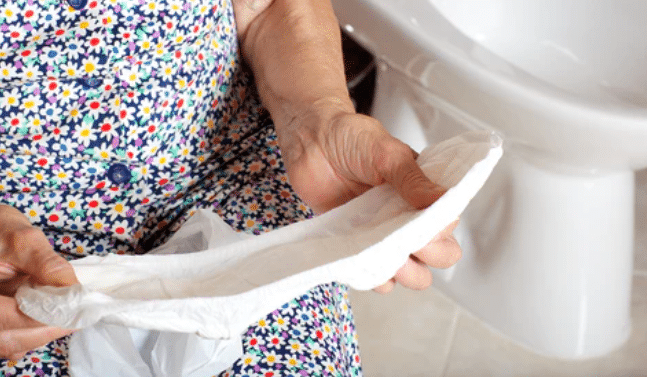
Disposable pads and pants are the most convenient, easy-to-use and discreet type of incontinence pad, and thanks to us can also be cost-effective and environmentally friendly. There are a variety of absorbances available to prevent heavy or light leakage/soiling. The design of disposable pants has improved significantly in recent years. They look similar to normal underwear but have an absorbent pad at the crotch.
They are available in many designs for women, including
- Disposable Liners – These are best suited for people with light to moderate bladder leaks. These can easily slip when exercising, so it is important to get the right size. Sanitary towels are sometimes used by women as an alternative to pads made for urinary incontinence. Sanitary towels are not designed to hold the same volume of urine as pads and can cause irritation.
- Disposable Pants – These pants look just like regular underwear but have an absorbent pad that is suitable for moderate to severe bladder leakage.
- Disposable All in Ones are unisex products that prevent heavy bladder leakage. These are more suitable for those with bowel and bladder incontinence.
- Disposable T Shape pads are similar to All in Ones. They are designed to prevent moderate to severe bladder and bowel leakage. These are easier to wear standing up.
Washable Pants and Pads
Washable incontinence products are fantastic, and they become more affordable over time. People also like the absorbency of these products, especially at night. It causes less irritation to the skin. Products that are designed to prevent light leakage or, more often than this, tend to be less bulky and difficult for people to see.
- Washable Liners – These are less common than disposable liners, as they are not as effective. These are best for those who want to have some control but still need the security of a pad.
- Washable Pants These look just like regular underwear but have an absorbent pad at the gusset. These can be worn with a disposable pad by some women for additional protection.
- All-In-Ones are made from terry towelling and plastic pant that covers the top to prevent liquid seepage. These are ideal for people with severe bladder leakage.
When it comes to the right product for your needs, Holistic is a brand you can trust.
Women’s Incontinence Products: Beyond Basics with Holistic Incontinence
The complexities of a woman’s body often come with unique challenges. One such challenge is the sometimes unspoken issue of incontinence. Thankfully, Holistic Incontinence is pioneering the path with state-of-the-art women’s incontinence products designed to cater to the specific needs and comfort of women. With the aim to offer maximum protection, these products help many women regain their confidence, freedom, and quality of life.
Understanding Urinary and Faecal Incontinence
When it comes to incontinence, it is essential to differentiate between urinary and faecal incontinence. While both can be daunting, understanding them can help you choose the right product.
Urinary incontinence is the involuntary loss of urine. This can happen when pelvic floor muscles weaken over time or due to specific life events like childbirth. On the other hand, faecal incontinence refers to the inability to control bowel movements, causing stool to leak unexpectedly from the rectum.
Embracing Women’s Incontinence Pants
Gone are the days when incontinence products resembled bulky, conspicuous diapers. Holistic Incontinence introduces women’s incontinence pants that feel just like real underwear. They are crafted keeping in mind the anatomy of women, ensuring they offer secure protection while remaining discreet.
Moreover, the design emphasises the importance of preventing odours, a concern that many women voice. These pants offer a snug fit, and their super-absorbent nature ensures that moisture is locked away, preventing any unsightly dampness or unwanted odours.
Pelvic Floor Muscles: The Underlying Factor
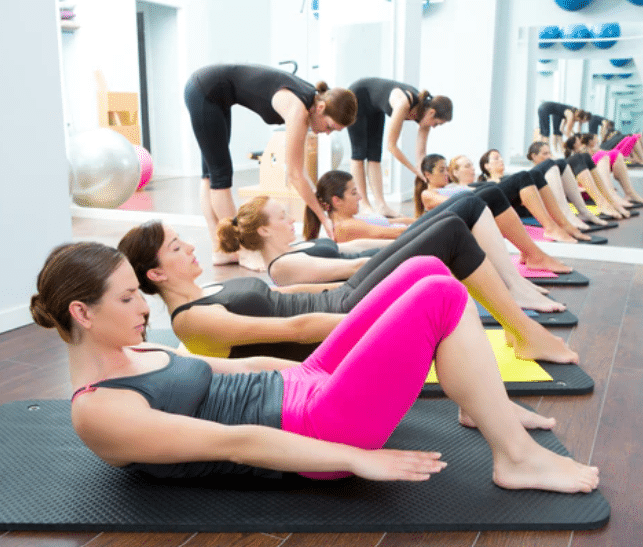
The health of the pelvic floor muscles plays a significant role in ensuring the proper functioning of the bladder. Over time, due to factors such as age, childbirth, or specific medical conditions, these muscles can weaken. This weakening can lead to urinary incontinence. As part of a holistic approach, it’s essential to incorporate exercises that strengthen the pelvic floor muscles, along with using continence aids. This combined strategy ensures that women have the necessary tools and support to deal with incontinence effectively.
Secure Protection with Maximum Comfort
The beauty of the incontinence products offered by Holistic Incontinence is that they provide maximum protection while ensuring users feel like they’re wearing regular underwear. These products are meticulously crafted to be free from any telltale rustling sounds or visible bulkiness. This means that women can go about their day-to-day lives without any concerns or fears about leaks, dampness, or odours.
A Range Beyond Regular Women’s Underwear
The range of products at Holistic Incontinence isn’t just limited to women’s incontinence pants. For those who prefer, there are also pads designed to be worn with regular underwear, offering the same level of protection and discretion. The beauty of this range is that it allows women to choose products that fit seamlessly into their lifestyles.
Furthermore, for women experiencing light incontinence episodes, the brand provides thin pads that can be easily slipped into regular underwear. These offer an extra layer of security, ensuring that women can tackle any situation with confidence.
Trust in Holistic Incontinence
At the heart of Holistic Incontinence is a commitment to quality, understanding, and empathy. They recognise that every woman’s needs are unique and strive to provide solutions that offer both comfort and confidence. The brand firmly believes that no woman should have to compromise her dignity or freedom due to incontinence. With a focus on innovative solutions and user-friendly products, Holistic Incontinence stands as a beacon of hope for many women dealing with incontinence challenges.