




Incontinence is a condition characterised by the involuntary loss of urine or faeces that affects millions worldwide, often causing significant distress and embarrassment.
The condition can be managed through various methods, including medication and behavioural therapies. However, incontinence products like adult diapers have been designed to significantly improve the quality of life for those who suffer from this condition.
Incontinence nappies offer a practical and effective solution for managing incontinence. Technological advances have made incontinence nappies increasingly discreet, comfortable, and easy to use. Holistic Incontinence is here to help you see the advantages of incontinence nappies and how they can improve the lives of people with incontinence.

Involuntary Urination Causes
People can suffer from involuntary urination, and some of the causes behind this are:
- Surgeries
- Diuretic medications
- Obesity
- Cognitive impairment
- Diabetic drugs
Reasons For Longer Incontinence
Several potential causes of incontinence include urinary tract infections, vaginal irritation or infection, and constipation. Certain medications may also result in temporary bladder control issues. But sometimes, the incontinence lasts longer and makes the suffering person uncomfortable.
Some reasons behind the incontinence for a longer period:
- A weak bladder or pelvic floor muscles can cause the issue.
- Overactive bladder muscles lead to the problem.
- Arthritis may cause problems for people to go to the bathroom.
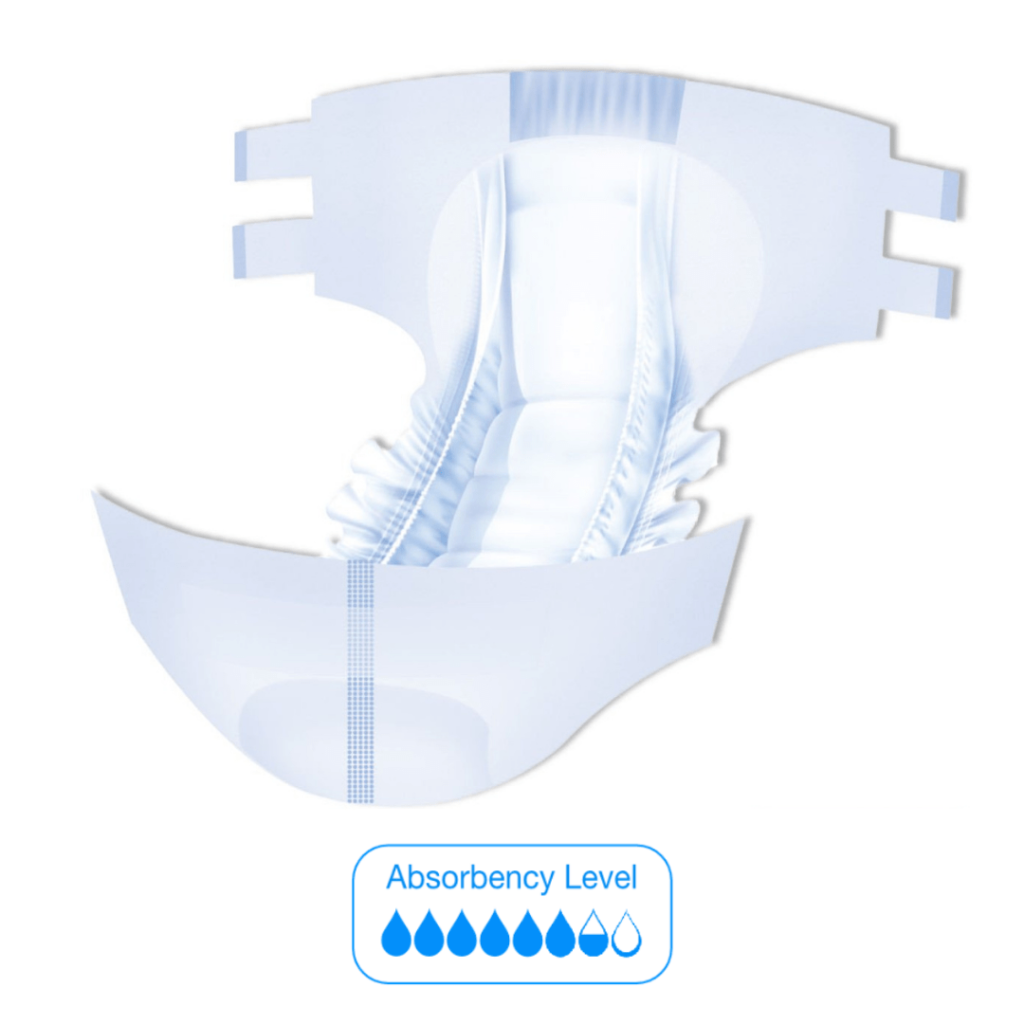
What Incontinence Issues Can You Face?
Stress Incontinence
Leakage can occur during activities such as sneezing, coughing, or exercising as they exert additional pressure on the bladder. If the muscles are weakened or damaged, they may be unable to handle this pressure.
Urge Incontinence
As one gets older, there’s a possibility of experiencing a common issue of lacking control over urination. It could result in occasional urgent needs to use the bathroom, but the person may fail to make it in time, causing leakage.
Overflow Incontinence
If your bladder cannot completely empty, you may encounter frequent or continuous urine leakage, known as dribbling.
Functional Incontinence
Physical or mental limitations can cause the inability to reach the restroom on time. For instance, if an individual experiences severe arthritis, they might face difficulty promptly unbuttoning their pants.
Mixed Incontinence
It is common to have multiple forms of bowel incontinence, usually a mixture of stress incontinence and urge incontinence.
Moreover, urinary leakage is a common issue experienced by women, especially during the end of pregnancy. However, serious incontinence is more prevalent among older adults, particularly women. About a third of women over 50 are dealing with urinary leakage. It is essential to evaluate the severity of the condition to decide whether adult diapers are necessary, including the frequency of leakage.
Things To Do For Bowel Incontinence
There are different steps that can be helpful to avoid using adult diapers. A professional doctor can guide you to get more tips and ways to treat your leakage better.
Common ways for the prevention of urinary leakage
- Follow the prescribed medication regimen to manage overactive bladder symptoms.
- Incorporate pelvic floor exercises into your routine to strengthen your bladder muscles.
- Limit your consumption of caffeine and alcohol to improve bladder control.
- Make a habit of fully emptying your bladder on a regular basis.
Furthermore, when the situation becomes serious, there are some other complex solutions that are available. The following pointers are representing a few options:
- Outpatient treatments include electrical stimulation or bulking injections.
- Closing urethra with minimally invasive surgeries to avoid leakage.
Some products are available to avoid unwanted incontinence leakages. Holistic Incontinence is an Australian company that provides high-quality adult diapers.
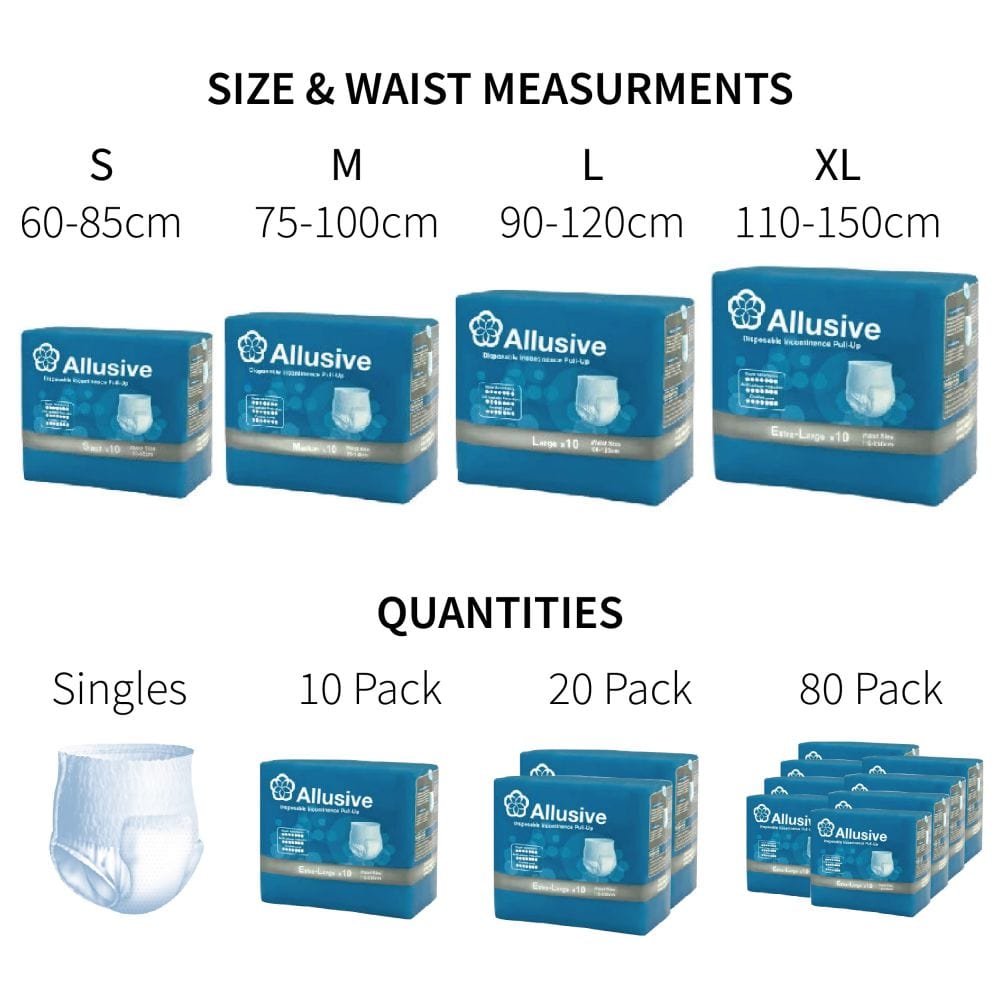
Super Heavy Allusive Pull Up Pants
How To Make The Best Use of Incontinence Nappies?
If you are not experiencing desired improvement from treatments, try the following suggestions to enhance your comfort level by using adult diapers:
Change Regularly
You can stay more comfortable and odour-free when you keep changing the incontinence nappies regularly.
Barrier Lotion or Ointment
Skin changes can occur due to regular exposure to urine. An effective barrier ointment can help you in avoiding such cases.
Loose fitting Clothes
Comfortable or loose clothes are suitable as many people want to avoid others noticing the adult diaper underneath their clothes.
Wear Dark Colours
There are chances of accidental leakages. Dark colours can help you in hiding such incidents appropriately.
Frequently Asked Questions
Which is the trusted brand for getting adult diapers?
There are many emerging brands that are manufacturing and supplying high-quality incontinence nappies. Our range at Holistic Incontinence can provide an array of affordable adult nappies to suit needs at any level.
Can incontinence be intermittent?
Yes! There are specific medical conditions that can lead to a temporary worsening of incontinence. Additionally, the consumption of particular food items and beverages, certain drugs, and even climatic conditions can trigger or aggravate incontinence.
Is it possible for urinary incontinence to lead to Urinary Tract Infections (UTIs)?
The answer is yes. Certain forms of incontinence, such as urinary retention or overflow incontinence, can accumulate urine in the bladder. It leads to bacterial growth by providing a favourable environment.
Furthermore, individuals who use catheters to manage their incontinence are at a higher risk of acquiring UTIs if the catheter is not maintained clean. On the other hand, restricting fluid intake can cause urine to concentrate in the bladder. It increases the likelihood of bacterial build-up and UTIs.
–
Diapers are a basic necessity for people suffering from incontinence. With the extensive range of Holistic Incontinence diapers, you don’t have to compromise on your water intake to avoid leakages.